
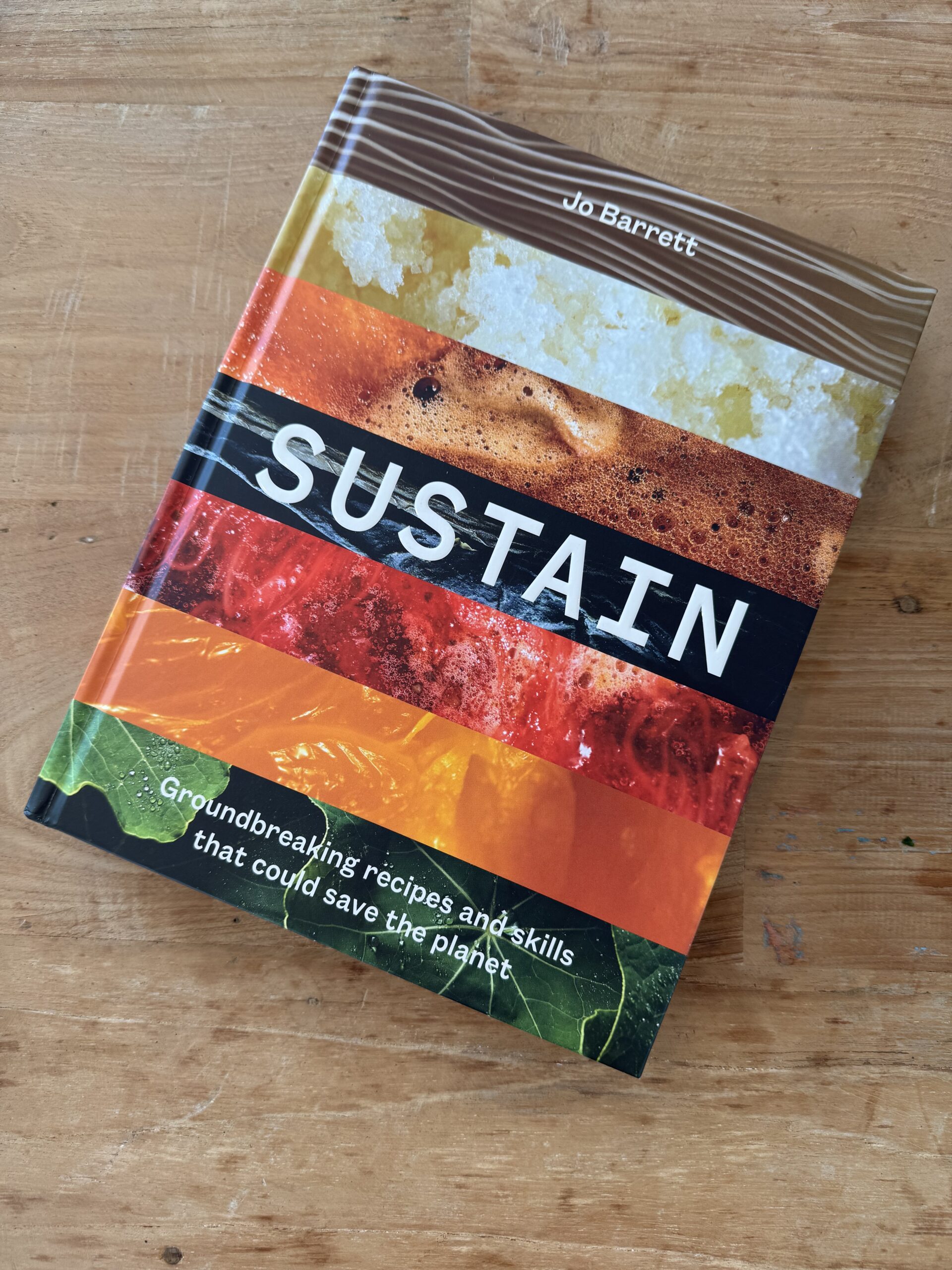
This beautiful cover caught my eye in my local bookshop. “Groundbreaking recipes and skills that could save the planet” – right up my alley! I opened a random page to get a feel for the recipes, and my eyes met with “Cumin wallaby skewers with garlic yoghurt”. Jo explains that wallaby populations have exploded around farmland where water and food are abundant, unwittingly becoming a pest for farmers in the process. This has led to large-scale culling programs by the Australian Government. She points out that culling these healthy, free-range, native animals is wasteful when they can serve as an abundant, sustainable food source. Next to the recipe, Jo inserted what she calls a skill builder recipe, easy natural yoghurt. The recipe highlighted Jo’s sustainable cooking philosophy: sustainable ingredients, home-cooking, good technique, and great taste.
After quickly leafing through a few other recipes, I was convinced. Not only were Jo’s recipes fun, creative, and full of sustainable alternatives, but her skill builders looked perfect for the intermediate home cook like me. They teach you how to prepare elements that store well for future use, making meals easier to throw together on busy days. I bought her book and am here to tell you that it is worth getting a copy.
What is Sustainable Cooking?
Jo explains how her recipes can make a difference on the pages before recipe 01. There are 30 in total, each with skill builders. These skill builders are recipes for components of each of the 30 dishes (like natural yoghurt to be used in the wallaby skewers recipe).
These are the impacts Jo identifies for sustainable cooking, one or more applies to each recipe:
- Add nutrients by eating a rich variety of ingredients and fermented or activated foods
- Vegan recipes reduce reliance on particularly polluting staples like beef and lamb
- Gluten free reducing reliance on heavily refined wheat products and returning alternative grains to our table
- Zero waste, which means using up all edible parts of an ingredient and finding use for biproducts. This is also a great money saver.
- Alternative ingredients in order to use the parts of plants and animals that often get discarded as inferior products
- Pantry staples so you can stock up on your own preserved ingredients, reduce packaging waste, and make the most of seasonal produce when they are their best and most affordable
- Sustainable proteins, in other words, naturally occurring food sources that are truly free-range and require far less land, water, feed, and pest and disease prevention. Some need no farming interventions at all. This is very different from the staple proteins that feed the world today.
- Preserving to extend shelf life and increase nutritional value. This includes methods like fermentation, pickling, curing, bottling, drying and freezing.
- Capture abundance with the above skills to ensure abundant seasonal harvests do not go to waste. At present, Australia wastes nearly half of all the vegetables it grows.
Trying Out The Recipes
After reading the book cover to cover I felt inspired to get cooking. As Dani Valent puts it in the foreword, there is a ‘Jo Barrett Effect’ that takes a hold of you and draws you into the kitchen. Here are a few recipes from the book that I tried at home and how they turned out.
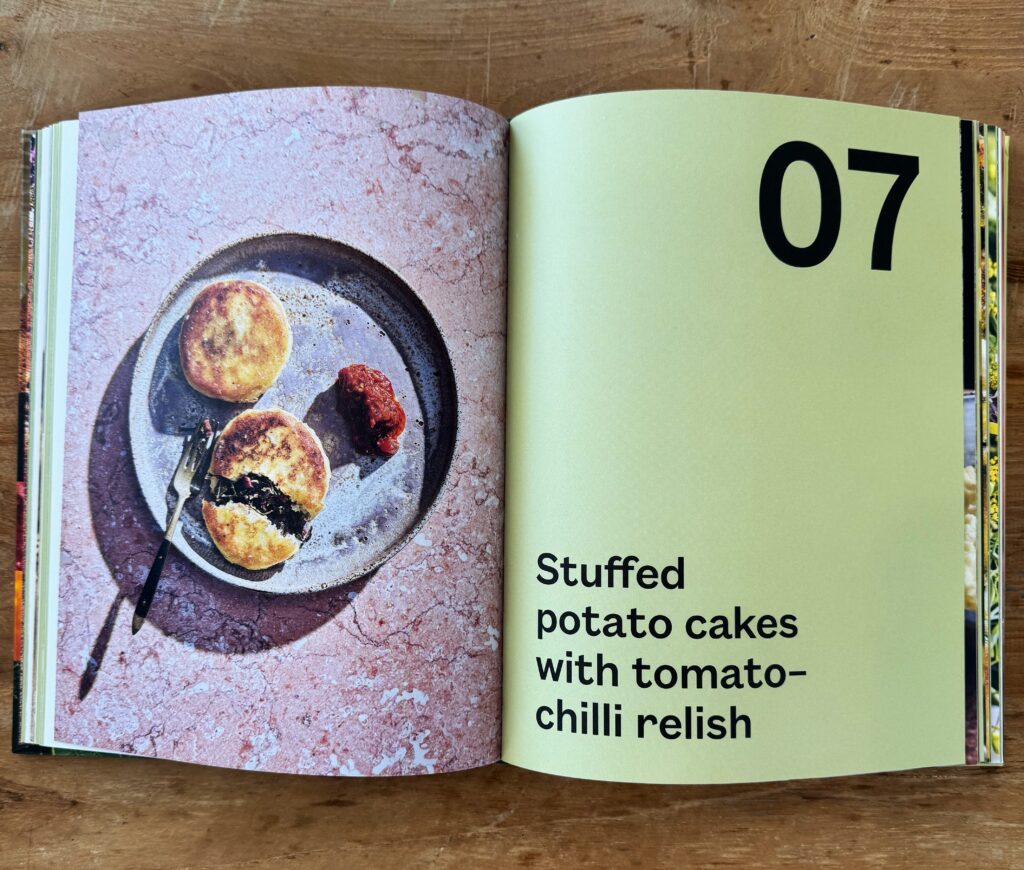
1. Stuffed Potato Cakes from Page 86
These crispy little pockets of creamy potatoes with their flavourful, herby vegetable filling were delicious! While not listed as skill builder, the mashed potato dough is a nice little trick to have in the back of your mind. You can substitute the filling with any vegetables that needs to be used up or leftovers like Bolognese.
2. Diced Dressing from Page 125
Jo claims that this skill builder recipe is the ‘little black dress’ of dressings, so I was intrigued. I substituted chardonnay vinegar with apple cider vinegar and otherwise followed the recipe. You will need lot of de-seeded chilies, seven in total (that being said, it was not overwhelmingly spicy). I usually have a chili plant growing in a pot or garden bed and can never seem to use up all the chilies the one plant produces. This recipe will be a great help with that! This dressing lasts a long time in the fridge and has impressed dinner guests on more than one occasion. It was a hit with barbecued sausages, roast vegetables, crispy potatoes, chicken, and I really enjoy it with my eggs. It is versatile and full of interesting, aromatic flavours.
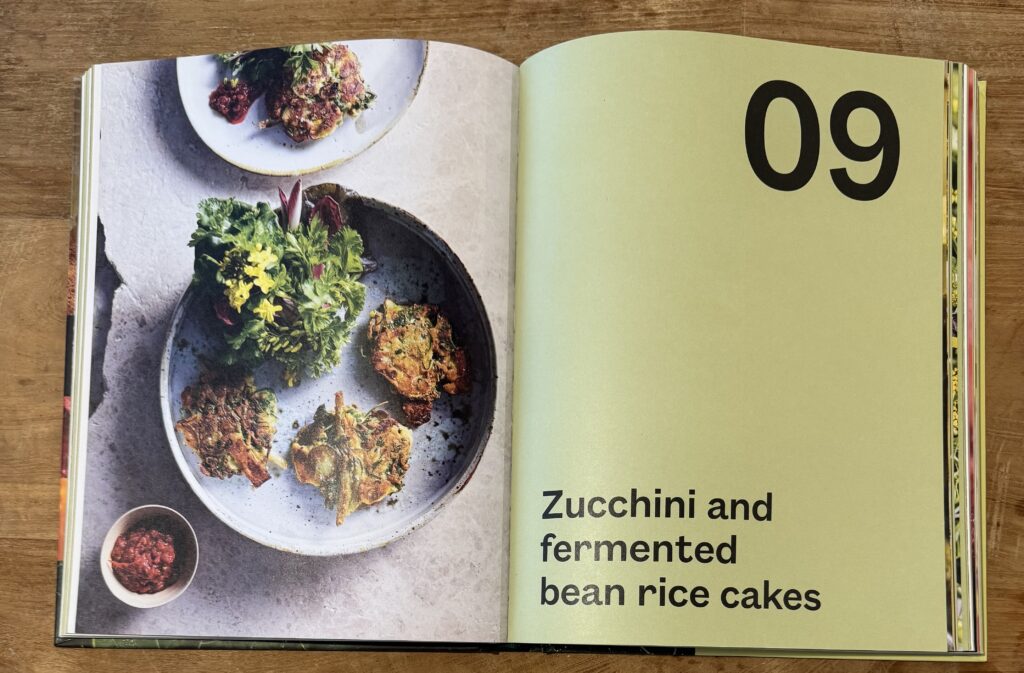
3. Zucchini and Fermented Bean Rice Cakes from page 102
I followed this complete recipe, including the skill builder – fermented green beans in salt brine. I am still new to fermenting, but these beans were easy to get right. After six days their taste was to my liking. When making the rice cakes I got confused by the quantity of chickpea flour. The recipe says 50 g or 1 ½ cup, I think this may b a print error. I decided to follow the 50 g, as the rice flour was 50 g or 1/3 cup. This was the right call. The result was delicious, satisfying and very crispy! This recipe will be on repeat in our house, and gives you the freedom to experiment with different vegetables. I served the fritters with sundried tomato pesto instead of Jo’s homemade tomato-chili relish. But the fermented beans gave the fritters so much flavour that you really don’t need condiments.
4. Fermented Red Pepper Pasta Sauce from page 186
Another great, easy recipe. My husband thought it was one of the best pasta sauces I have made to date. The fermented capsicums are a great little thing to add when you are doing some meal prep. On the day that you are making the sauce, you just blend the fermented capsicums and toss them together with your cooked pasta, some lemon juice, and some butter. It is so very, very flavourful, you will not even want to add cheese to this pasta dish.
5. Lemon Granita, Honey and Lemon Curd, and Flavoured Citrus Oil from page 232
Flavoured citrus oil is an easy recipe to have bubbling away gently in the background while you are doing other tasks. It works great as a component in this dessert, but I enjoy it even more drizzled over pasta dishes. The dairy free lemon curd was a game changer. It never occurred to me that I could make a curd without butter. I should have tasted the lemon granita before freezing it, as it turned out far too sour for my taste, but I appreciate how uncomplicated this recipe is. I did slack off on Jo’s chef-worthy presentation inside a hollowed-out lemon, but the layers still looked inviting in little glass bowls. This is a great little dessert that you can fully prepare ahead of time.
Would I Recommend Sustain the Cookbook?
Yes! I think you might be able to guess by now that I love this book and will keep cooking with it. Cooking and our food choices are important parts of the long-term sustainability of modern life, and the way Jo puts this in context is fantastic. Jo’s book is perfect for foodies who want to delve into sustainable cooking. It uses some eclectic ingredients, but sparingly, and does not avoid controversial issues in our food supply chain. I have had fun making all of these recipes. You will spend some time making elements, ferments, or other bits and pieces to have on hand, but not necessarily to use in the moment. So these recipes are best suited to cooks who like to make and plan ahead.
A Little More Food for Thought on Sustainable Cooking
At the time of publishing this post I have still not found a wallaby loin to cook on our barbecue, probably because I live in Queensland where wallaby is not among the macropod species that are harvested here. But I would very much like to venture into cooking with sustainable proteins because this is, without a doubt, the most resource-intensive part of our diet. It is also a part that raises serious ethical considerations. From my own research, wallaby culling is particularly prevalent in Tasmania. The State Government figures for wildlife culls in 2023-2024 was:
- 528,378 wallabies
- 128,585 possums
- 29,252 fallow deer
- 3,874 sulphur-crested cockatoos
Those are alarming numbers for one state alone and hardly suggest that we are living in harmony with nature. It is unclear how many of these animals were then used for meat, when deer and wallaby are suitable for this purpose. When it comes to the kangaroo meat industry, there is a consensus by industry professionals and the RSPCA that, if well-managed, macropod meat is far more humane and sustainable than intensively farmed animals. So, while I could not find wallaby meat here in Queensland, kangaroo meat is still a great substitute for beef or lamb for me.
Can you send me the recipe of the lemon granita from page 232